

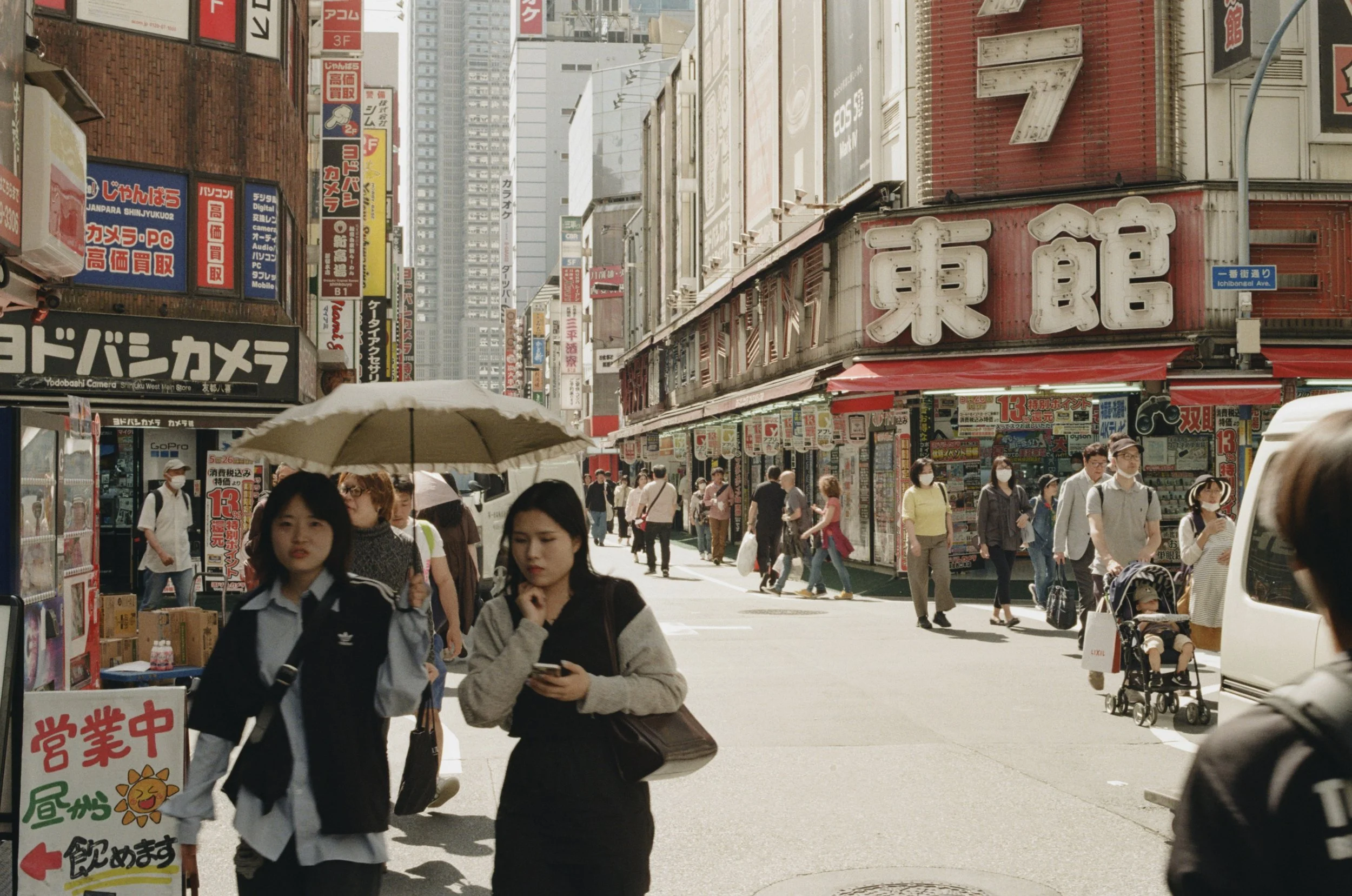
Not all who wander are lost — some are just shooting.
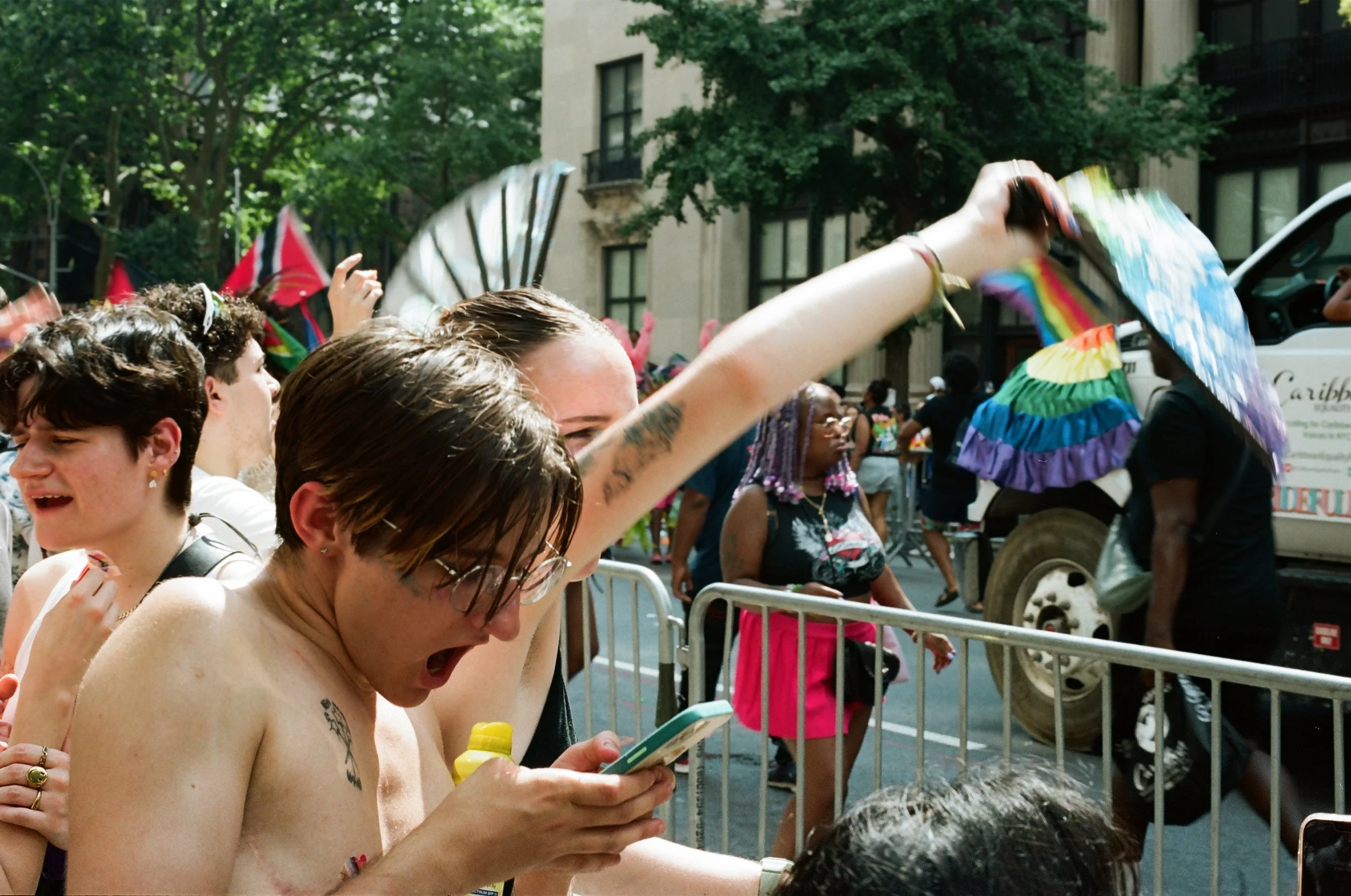
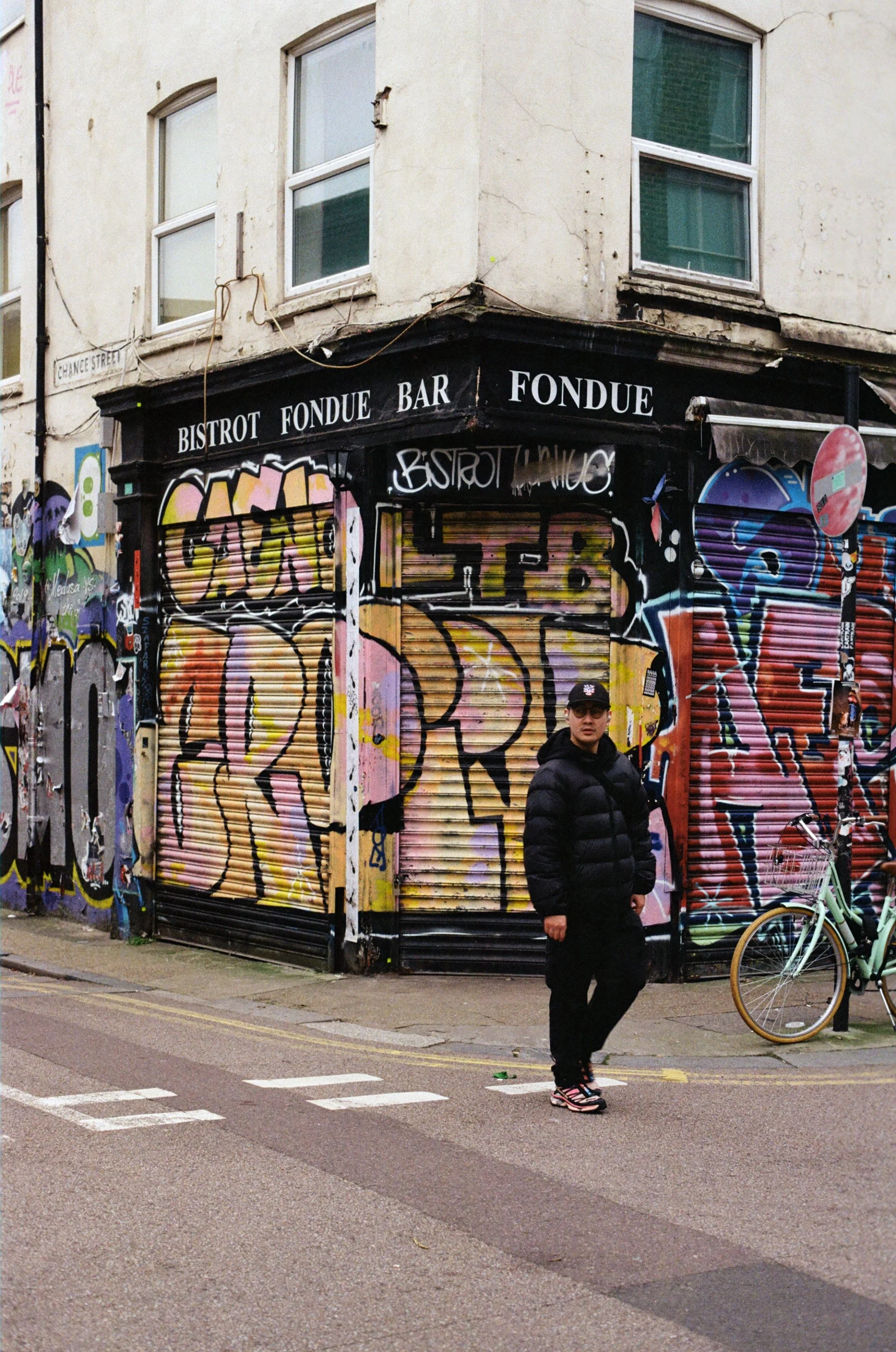
Dario Tapia is a New York City–based film street photographer.
He's self-taught. He found photography on his own after spending years in the tech industry, and the shift wasn't casual — it was something he'd been putting off for a long time. Once he stopped putting it off, everything else fell into place.
He shoots exclusively on film — a deliberate choice. There's no reviewing, no deleting, no second chances. Every frame is a commitment, and that constraint is part of what makes the work feel the way it does. It forces patience and trust in the moment.
He's drawn to the ordinary — the moments people pass through every day without a second thought. The things that hide in plain sight. His work is about slowing down and paying attention to everyday life, finding the stories that are already there but rarely told. There's weight in the mundane when you actually stop to look at it.
New York is home and will always be his primary subject, but the same eye travels with him. He shoots all over the world, looking for the same thing in every city: the real, unfiltered, everyday life that most people are too busy living to notice.
Manic Photographs is all of that in one place. It's an invitation to look closer at the world you already live in.